
Service Report:
The Top 3 Gaps That Cause Revenue Loss In Luxury Hospitality.
Three service issues are causing direct revenue loss every single day: staff who can't answer guest questions, communication that creates disengagement, and welcomes that feel transactional instead of personal. Use the free calculator below to see what these gaps are costing your property annually—then get actionable solutions to fix them.

The Service You Promise vs. The Actual Guests Experience
We’ve all seen it: the guest walks into a luxurious lobby of a five-star hotel, or books a dinner at a high-end restaurant, and the service is just … fine. Luxury hospitality is built on a simple promise: exceptional experiences every time. But very often that promise breaks. The most memorable welcome at the front desk gets forgotten if a guest checks in to stained towels and hair on a pillow.
Or a dining experience turns to be just “ok”. Great food, thoughtfully topped up glasses, but confused staff “double checking” everything with the chef. So either or, the gaps show — in basic SOPs or human touch and anticipatory service that differentiates luxury. Hospitality enters an era where hitting marks on fundamental standards is no longer enough, but failing it — is not acceptable.


The Financial Impact
These everyday, often normalized service flaws are more than just missed points during quality evaluations. They’re a missing revenue that compounds daily. Engaged guests spend 46% more per year than disengaged guests —and disengagement starts the moment service doesn’t meet expectations.
According to Forbes Travel Guide’s published methodology, 75% of a luxury property’s rating depends on service and guest experience, not the physical product. LQA aligns closely with this: approximately 661 of their standards measure emotional intelligence, communication, efficiency, and on-brand service execution.
However, In 2025, 21% of hospitality businesses report gaps in essential staff skills Retvens Services, and guests notice the difference. Because they are comparing your service not to what you offered last year, but to the best experience they have had anywhere recently. In luxury segment, there are 1,267 projects globally with 245,665 rooms in the pipeline (as of Q2 2025), representing an 11% increase in projects and 9% increase in rooms year-over-year Hotel News Resource. The market is very competitive. And it’s very easy to lose repeat business because of service shortfalls — guests have a growing variety to try and look for the best options. Service, communication, and emotional engagement drive between 60%–80% of guest satisfaction. This means small failures in tone, knowledge, or greeting can lead to outsized revenue and reputation loss. According to hundreds of service audits, guest sentiment studies, and frontline observations, revenue streams get affected by various gaps. But these three service issues — in both hotels and standalone luxury restaurants alike, are in a high risk category for negative financial impact.
Issue 1. Product Knowledge Gaps
High Risk
Why It matters.
When staff can't answer basic questions, guests spend their money elsewhere.
Your teams are trying to convince guests to purchase something they didn’t plan to buy initially. Maybe your hitting the upsell targets, maybe not — yet it’s something you can track and influence. But the real revenue gap happens when guests are asking to buy, your staff can't help them and the loss is hard to measure.
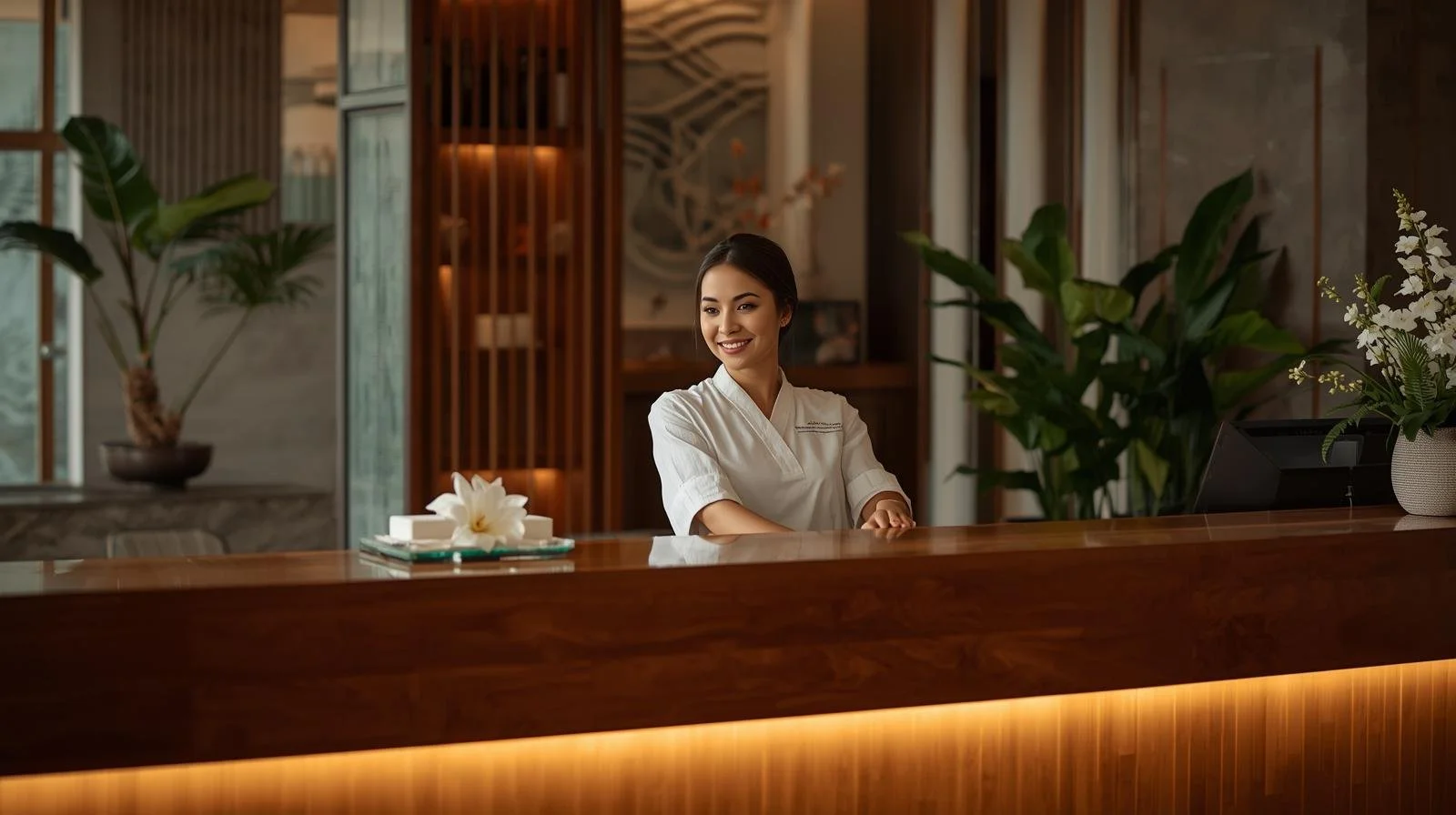
A guest at check-in: "Do you have a spa? What treatments do you offer?"
Your front desk agent: "Yes, we do. I'm not sure about the treatments, you may contact our Spa directly for details"
Too much effort – a guest forgets. Or loses trust and googles spas nearby instead. Potential $180 lost + the following upsell attempts can fail. Why? Because staff’s failure to help with initial request creates resistance.
What This Looks Like in Practice:
When I audited product knowledge at a luxury property recently, the results were startling: 80% of front office staff were completely uncertain about F&B offerings, spa promotions, and even basic hotel facilities. Half the team had never physically been inside a some guest room types —they'd only seen photos.
Think about that. Your front desk is your first point of contact, and they're trying to sell rooms they've never experienced and amenities they've never used. They know they're uncertain. Guests sense it. So staff default to the safest option: they don't upsell at all.
At another property where we conducted a Training Needs Analysis—Blue Box Café Dubai by Tiffany & Co.—management was surprised to discover only 69% of staff felt confident about the restaurant's offerings. That's 31% of team unable to confidently recommend or upsell what they are serving. For a high-end concept like that, the revenue impact is immediate and measurable.
The Risks
Reduced perceived value:
When staff seem uncertain or uninformed, guests question the quality of what you're offering—even if it's exceptional.
Immediate revenue:
The spa booking, the restaurant reservation, the room upgrade, another item from the menu.
Guest convenience:
The lack of knowledge create extra friction and effort. So instead of going from one staff to another in search of an answer, guests prefer to have breakfast in a small café next door, or to book a SPA treatment elsewhere.
Estimate Revenue Loss:
For a 100-room luxury property:
Average 150 daily guest interactions (check-in, concierge, dining, etc.)
If 30% involve a potential upsell opportunity = 45 moments/day
Average upsell value: $75 (spa add-on, room upgrade, premium dining)
If staff knowledge closes just 10% of these = 4.5 upsells/day
Daily loss from missed opportunities: $337.50
Annual loss: ~$123,000
How to prevent:
Create product experience requirements: Staff can't sell what they haven't experienced. Require new hires to dine at your restaurant, tour the spa, stay overnight if possible. Make it part of onboarding.
Build a "quick reference" system: Not a manual they'll never read—think blended approach. Short microlearning videos, 2-3 minutes long about your products and offerings, how to describe, how to upsell. Quick reference guides team can access anywhere anytime.
Reinforce with short activities: "Guest asks about dinner options"—how should staff respond? Practice makes this feel natural, not scripted.
Track missed opportunities: When a guest books spa services through a third party instead of your front desk, that's a data point. Identify patterns and address them in training.
Incentivize knowledge, not just sales: Reward staff who demonstrate strong product knowledge in mystery guest evaluations, not just those who hit sales numbers. This keeps service authentic.


Issue 2. Inconsistent Communication & Service Tone
Critical
Why It matters.
When staff uses flat dismissive language or poor phrasing it shuts down purchase decisions.
Sentiment analysis and guest benchmarks repeatedly show “staff attitude / tone” as a recurring negative theme in reviews and audits. Sometimes major missed revenue opportunities don’t come from big hidden operational gaps. They come from small communication errors that block buying decisions almost INSTANTLY.
Staff friendliness and service quality are among the most important factors for guest satisfaction Amadeus Hospitality. Tone & perceived empathy are core to “staff service” scoring. And the biggest challenge here is to track the level of “friendliness”. You can’t supervise every single interaction. Yet these are the moments that shape guest satisfaction, spend, and reviews.
What This Looks Like in Practice:
Here’s a life example of flat and dismissive communication in service: Jennifer Lopez walked into a Chanel boutique and was told the store was full. She didn’t argue. She just said “no problem,” walked next door to Celine and spent $30,000. The question is — how do you know your hotel or restaurant isn’t losing revenue the exact same way? Not because of market conditions, online reputation, or product quality. Just because one employee says “sorry, it’s not possible”, “this is our policy” or the classic “I don’t know”.
A GM at a premium restaurant recently shared a guest WhatsApp correspondence with me. A guest had a minor request. The supervisor who responded used language that was abrupt and indifferent— “no, it’s not possible”. Not exactly rude, but transactional. The guest felt dismissed, didn’t place an order. That single message exchange cost the venue $700 in immediate revenue. Often team members don’t have intentions to be dismissive. They just don't realize how their tone would land. That's the problem: most staff don't recognize when their communication is creating distance instead of connection, as well as the financial damage.
The Risks
Brand inconsistency:
One staff member is warm and proactive. Another is curt and transactional. The inconsistency within guest’s stay or dining experience averages the overall satisfaction. And that unpredictability damages loyalty.
Guest dissatisfaction and reduced willingness to spend:
Inability of staff to acknowledge context, choose positive phrasing and tone even when they speak about policies causes disappointment and potential 12–19% dip in intent to return.
Escalation and increased service recovery costs:
Defensive tone, lack of empathy escalates into a refund, comp night or bill, or negative review. What could have been resolved with a sincere apology becomes an expensive problem.
Internal inefficiency:
Poor communication skills affect not only the guest experience, but the workflow between departments. Lack of active listening skills, clear handovers and conflicts lead to repeated mistakes, frustrated guests, and stressed staff.
Estimate Revenue Loss:
For a 100-room luxury property:
Engaged guests spend 46% more per year than disengaged guests Cloudbeds
Poor communication is the #1 driver of disengagement
If just 20% of guests have a negative communication experience during their stay = 20 guests/day (assuming 100 rooms, 100% occupancy, 1-night avg)
Those guests are 50% less likely to return and unlikely to recommend
Lost lifetime value per guest: ~$2,000 (assuming 3 future stays over 5 years)
Annual loss from reduced repeat bookings: $1.46M
How to prevent:
Implement real-time service observations and on-the-spot feedback
Managers should observe service interactions and give immediate feedback if the tone or communication style is off track.Train on specific language, not vague principles
Don't tell staff to "be warm and friendly." Give them exact phrases they can use with the next guest. Communication is a skill that requires practice and reinforcement—not a one-time workshop on "customer service philosophy." For example, our 5-minute microlearning “The Power Of Words in Luxury service” gives staff a clear formula how to turn negative wording into positive alternatives. No deep psychology, no philosophy — just actionable steps.Create a "forbidden phrases" list + positive alternatives
Audit your service language. Which phrases are showing up in negative reviews? "I don't know," "We're busy," "That's the policy." Build a simple reference guide.Track guest sentiments: and look for red flags like “rude staff”, “indifferent staff”, “unfriendly”, etc.


Issue 3. Weak Welcoming Experience (First Impressions)
High Risk
Why It matters.
Customers who enjoy positive experiences are likely to spend 140% more Deloitte. And experience starts from the first 5 seconds of arrival to your hotel or restaurant.
Every leader talks about first impressions, every hospitality training programme explains the impact. But yet when it comes to execution — teams struggle. It's rarely dramatic failures. It's simple, avoidable errors that happen more often in luxury environments than they should:
Lack of acknowledgment, especially under pressure
The hostess greets the guest in front of her, but never acknowledges the rest in queue.Transactional approach
Check-in becomes a data entry process. Welcome is too scripted and doesn’t make guests feel expected.Missing context
Staff is mostly trained to act on occasions like birthdays or anniversaries (not always!) But when guests mention that they are attending their son’s soccer tournament — it gets no attention and acknowledgment. Staff nods, but misses a chance to build rapport and true connection.
Among negative guest reviews in upscale dining & hospitality, 45–50% specifically reference reception/welcome or first interaction issues (greeting, wait time, attitude). Major quality evaluations like LQA and Forbes Travel Guide emphasize on arrival/guest-journey standards and prompt, warm acknowledgment. If that moment feels transactional, rushed, or impersonal, guests already mentally downgraded their expectations—even if everything that follows is flawless.
What This Looks Like in Practice:
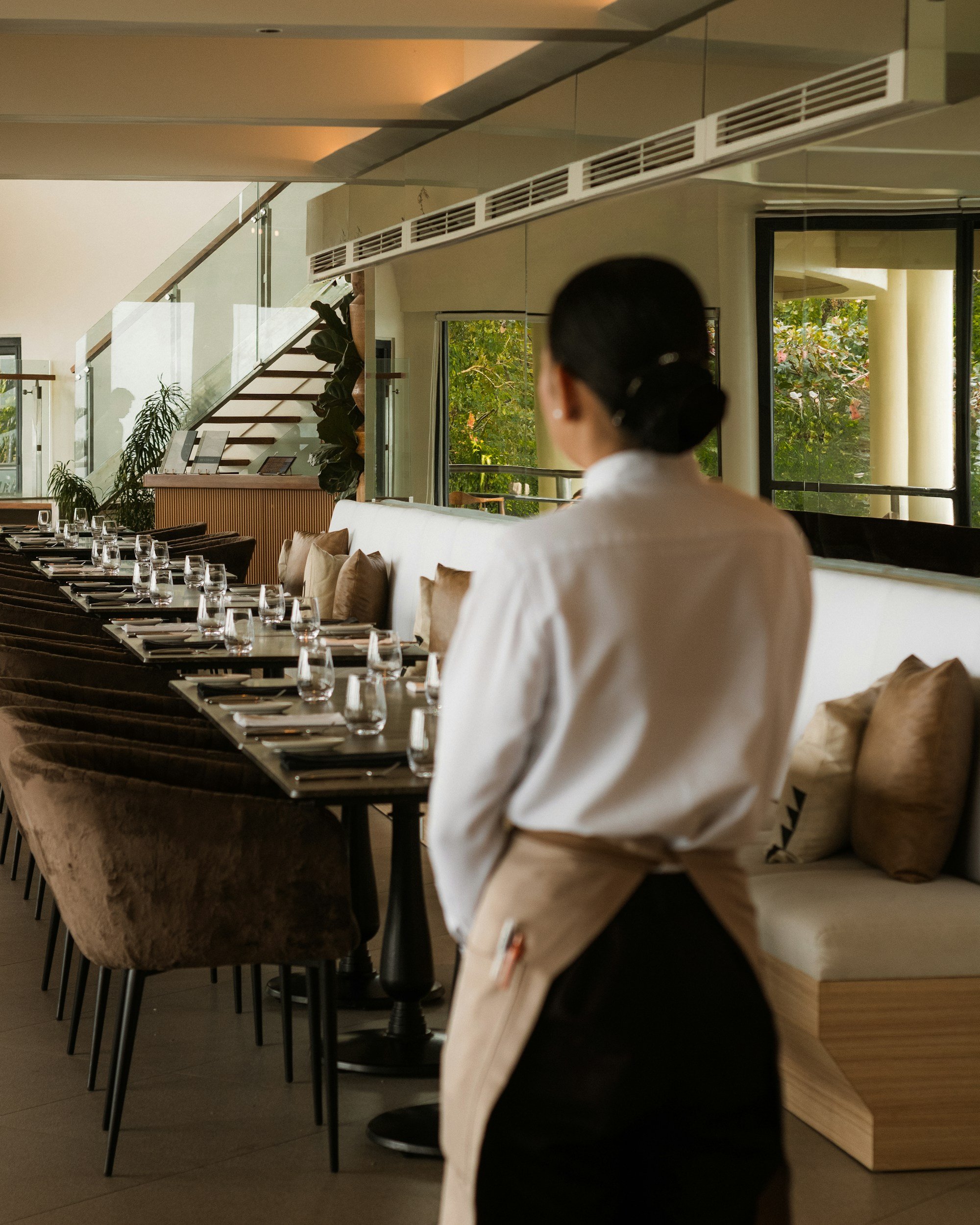
I visited a highly reputable restaurant at Four Seasons for my birthday. I was very excited as this was a special occasion. We had a reservation. When we arrived at the hostess desk, the greeting was rather robotic: "Hi, do you have a booking tonight?" I mentioned we were celebrating a birthday. There was no acknowledgment. No "Happy birthday." Nothing. Just "Sure. Follow me to your table."
That's not service failure in the traditional sense—the hostess did her job. But she missed the emotional moment entirely. I call this "context acknowledgment"—the ability to recognize what matters to the guest in that moment and respond accordingly.
When staff don't do this, it creates emotional dissonance. The guest feels the disconnect, even if they can't articulate why.
This happens constantly in luxury hospitality: A guest mentions an anniversary at check-in, and it's noted in the system but never acknowledged again. A VIP arrives, and the front desk treats them like any other guest. A repeat guest returns, and no one remembers them.
The Risks
Reduced likelihood of upgrades/upsells:
Poor welcome reduces upsell and add-on conversions by 8–15%, plus lowers likelihood of return visits.
Guests start their stay disappointed:
First impression sets emotional baseline for the whole stay — guests are less likely to accept upsells, less likely to rate highly, and more likely to escalate complaints.
Lower NPS and review scores:
Guests remember beginnings and endings. A weak start means you need to double your efforts for a positive review or high NPS score, even if everything else goes well.
Estimate Revenue Loss:
Interactions directly tied to arrival + F&B first contact: 150/day (front desk + hostess + concierge)
• % negatively affected (conservative): 6% → 9/day
• Revenue opportunity per lost interaction: $60 (includes lost upgrades, F&B covers, experience bookings).
Loss/day: 9 × $60 = $540 → Loss/month ≈ $16,200
How to prevent:
Self-audit your welcome with a focus on acknowledgment
Conduct internal service observations over 5-7 shifts (different times, different staff).Analyze your guest sentiments
Use our free Guest Feedback Analyzer tool (link below). Input your top 3 recurring complaints, and it shows you potential root cause, skill gaps and recommended action plan.Update your SOPs to provide direct guidance—not vague philosophy
Most SOPs say something like: "Greet guests warmly and make them feel welcome." That's too vague. What does "warmly" mean? What does "make them feel welcome" look like in practice at your property?Evaluate communication skills—"feeling expected" depends on what and how staff say things
A guest can be greeted by name and still feel unwelcome if the tone is flat, rushed, or disinterested. Our Quick Start Training bundle can with 4 self-paced mini-courses covering communication essentials, and manager’s toolkit will make a difference.


The Compounding Effect.
These three issues rarely exist separately. And different staff members can lack product knowledge, on-brand service delivery or essential communication skills in different ratio. Most leaders know these gaps exist, but the impact rarely gets converted into missed revenue, that’s why training is not prioritized, or other operational concerns overpower it. Even one staff member who doesn't know your offerings or is missing the luxury service tone blocks the revenue stream.
Calculate Your Property's Annual Revenue Loss. Which gap is costing you the most? And where should you focus training first? This calculator answers both questions. Based on your daily guest interactions and property size, you'll see:
Estimated annual loss from poor product knowledge (missed upsells, lost cross-sells)
Cost of inconsistent communication (service recovery, disengaged guests, refunds)
Impact of weak welcoming experiences (lost upgrades, reduced repeat bookings)
Your results appear instantly.
*Important Disclaimer:
This calculator provides estimated revenue loss based on industry benchmarks and assumed service gap percentages. Results are for reference and planning purposes only and do not reflect your property's actual financial performance.
Revenue Loss Calculator
Your Chart: Risk Level & Revenue Loss by Issue
Get Our Free Instant Guest Feedback Analyser
You've calculated the revenue loss. Now here's the question: Which service gaps are actually showing up in YOUR guest feedback?
Is it communication? Staff attitude? Or service delays?
You go through guest reviews daily, discuss it during leadership meetings, but do you get the time in the moment to analyse the why behind negative sentiments or what training would actually address them.
Result? You're training... but not always solving the root problem.
Analyse feedback in seconds
Our Instant Guest Feedback Analyser gives you the training roadmap in seconds—not hours of meetings. Choose the sentiment trend. Get the root cause and training recommendation. Press Analyse.
Don’t wait until the End of the Month report. Get clarity now.
Plus, when you sign up you'll get:
✓ Early access notification for Quick Starter Training Bundle: targeted e-learning to elevate team’s communication (launching January)
✓ Demo of our learning content: "The Rule of Acknowledgement" video
✓ First look at pricing before public launch
What’s included :